-
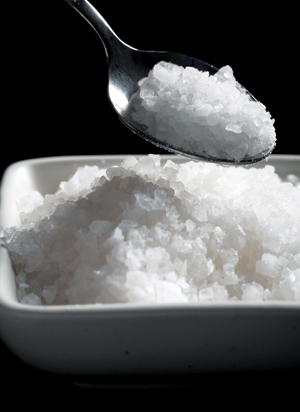
Researchers have recently found that large amounts of salt are sensed by sour and bitter tasting cells. This explains why too much salt is distasteful.
-
Previously, scientists had identified cells on our tongue that sense sweet, savory, sour, bitter, and low-salt tastes. When sweet and savory tasting cells are active, the brain senses pleasure; when sour and bitter tasting cells are active, the brain senses unpleasantness.
When we eat a little bit of salt, either our savory or low-salt tasting cells become active. However, with higher levels of salt, our sour and bitter tasting cells become active, thus making us feel unpleasant.
소금을 많이 먹으면 왜 불쾌한 기분이 들까?
연구진은 소금이 신맛과 쓴 맛을 낼 수 있다는 것을 발견했다. 이 연구결과는 소금을 많이 먹었을 때 드는 불쾌한 감정을 설명한다.
우리의 혀는 단맛, 짠맛, 신맛, 쓴맛, 살짝 짠 맛을 감지한다. 단맛과 짠맛을 감지할 때 우리 뇌는 유쾌함을 느끼지만 신맛과 쓴맛을 감지할 때는 불쾌함을 느낀다.
적은 양의 소금을 먹었을 때 짭짤한 맛 또는 살짝 짠 맛을 감지한다. 하지만 많은 양의 소금이 혀에 닿으면 신맛과 쓴맛을 감지하는 뇌부분이 활성화 되기 때문에 불쾌함을 느끼게 되는 것이다.
researcher 연구원(n) / recently 최근 / salt 소금(n) / sense 감각을 느끼다(v) / sour (맛이) 신 / bitter (맛이) 쓴 / tasting cell 맛을 느끼게 하는 세포 / distasteful 불쾌한 / previously 이전에 / identify 발견하다(v) / tongue 혀(n) / sweet (맛이) 단 / savory 짭짤한 / active 활발한 / brain 뇌(n) / relate 연관하다(v) / taste 맛(n) / pleasure 유쾌함(n) / unpleasantness 불쾌함(n)
※주니어조선 제공 -
Why Too Much Salt Is Unpleasant to Eat
Copyrightⓒ Chosunedu All rights reserved.