-
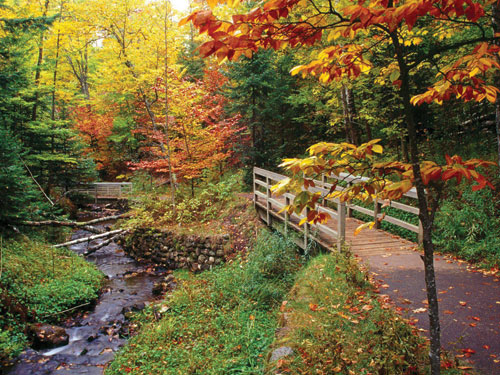
Some parts of the world do not experience all four seasons. Many desert and barren areas experience sunny and warm weather almost year-round. Arctic regions are constantly cold and windy. However, South Korea is one place where people can enjoy winter, spring, summer, and fall (or autumn). For many people, fall is their favorite season because of the gentle and breezy climate. It is neither scorching nor freezing. The fall season is appreciated because of the change in weather, which causes leaves to fall from trees and change in color. Autumn foliage is something that has been occurring before the dawn of mankind, so not many people stop to wonder why or how this happens.
-
Autumn symbolizes the transition from hot to cold weather. Plants and vegetation thrive off sunlight and heat, as well as water. Towards the end of summer, and the beginning of fall, daylight hours are shortened as well. The climate becomes much cooler as temperatures drop. Naturally, green leaves change to red and yellow foliage, which then fall from trees. This phenomenon is commonly known as fall colors, or autumn colors.
Chlorophyll is the pigment that makes a leaf green. This pigment is most abundant during the growing season. Chlorophyll is important to plants because it produces food, like sugar, by capturing solar rays from the sun. Carotenoids are another set of pigments that is present in leaves all year. But the green color that chlorophyll gives off masks the orange-yellow color of carotenoids. When autumn approaches, the cholorphyll in leaves are less active. Thus, the green pigment fades away and is replaced by the colors orange and yellow. Colors may vary from the commonly seen yellow and orange to the more aesthetically pleasing red and purple. Brown leaves are unique because the color is not caused by any pigments; foliage turns brown because there is no visible pigment in the leaves.
Many love viewing fall (or autumn) foliage. It is a major contributor to the economy and tourist activity. Only five regions in the world have the brightest colored autumn foliage: the southern part of Canada; some parts of the United States; Scandinavia; northern and eastern Europe; and northern and eastern parts of Asia, like China, Japan, and Korea.
In South Korea, the best place to experience autumn is in Gangwon-do. The region is a favorite destination for both native Koreans and tourists. Places like Chuncheon, Wonju, Yeongwol, Jeongseon, and Samcheok boast beautiful landscapes and perfect sceneries for fall foliage. Festivals are held and each area has its own attractions.
왜 단풍이 들까
사람들이 겨울, 봄, 여름 그리고 가을을 즐길 수 있는 유일한 곳이다. 많은 사람들에게, 가을은 부드럽고 산들바람이 부는 기후이기 때문에 가장 좋아하는 계절이다. 가을은 아주 덥지도 아주 춥지도 않다. 가을이란 계절은 날씨의 변화 때문에 인정 받는다. 단풍은 인류가 나타나기 전에 생겼던 것이다. 따라서 많은 사람들은 이것이 왜 일어나는지를 계속 궁금해 한다.
가을은 더운 날씨에서 추운 날씨까지의 변화를 상징한다. 식물은 물뿐만 아니라 햇빛과 열에서 잘 자란다. 여름 끝 무렵과 초가을로 갈수록 또한 주간일조시간이 짧아진다. 그 기후는 온도가 떨어질 때 훨씬 더 시원해진다. 자연스럽게, 녹황색 잎은 빨갛고 노란 나뭇잎으로 변한다. 이 현상은 일반적으로 가을 색깔로 알려져 있다.
엽록소는 나뭇잎을 녹색으로 만드는 색소이다. 이 색소는 자라나기 좋은 계절 동안 가장 풍부하다. 엽록소는 태양으로부터 태양광을 잡음으로써 설탕과 같은 음식을 생산하기 때문에 식물에게 중요하다. 엽록소는 일년 내내 나뭇잎에 존재하는 또 다른 색소이다. 하지만 엽록소가 발하는 녹색은 카로티노이드의 귤색을 만든다.
가을이 다가올수록, 나뭇잎의 엽록소는 덜 활발하다. 따라서, 녹색 색소는 사라지고 귤색에 의해 대체된다. 색깔은 일반적으로 보여지는 귤색에서 좀 더 심미적으로 기쁘게 하는 빨갛고 자줓빗까지 다양할지 모른다.
갈색 잎들은 그 색깔이 어떤 색소에 의해 유발되기 때문에 독특하다. 나뭇잎은 나뭇잎에 눈에 보이는 색소가 없기 때문에 갈색으로 변한다.
대부분은 단풍을 보는 것을 매우 좋아한다. 이는 경제와 관광객 활동면에서 주된 기여자이다. 세계에서 유일한 5개의 지역은 가장 밝은 색깔을 지닌 단풍을 가지고 있다.
캐나다의 남부 지방, 미국의 일부 지역, 스칸디나비아, 북유럽과 동유럽 그리고 중국, 일본 그리고 한국과 같은 북동 아시아들.
한국에서 가을을 즐기기 가장 좋은 장소는 강원도이다. 그 지역은 내국인과 관광객들 모두가 가장 좋아하는 목적지이다. 천안, 원주, 영월, 정선 그리고 삼척과 같은 곳들은 단풍으로 아름다운 풍경과 완벽한 경치를 뽐낸다. 축제가 열리고 있고 각 지역은 그들만의 명소를 가지고 있다.
※틴타임즈 기사 제공 -
The Wonders of Fall Foliage