-
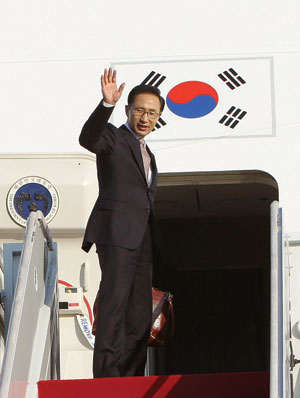
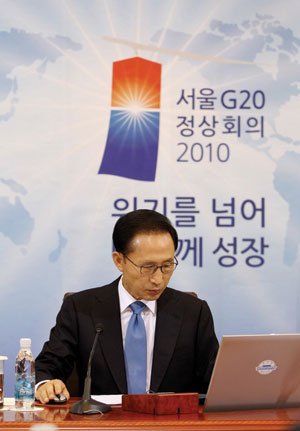
The nation’s constitution states that a president can only stay in office for a single, five year term. This rule was introduced over two decades ago, partly in emulation of the U.S. system and also as a means to prevent dictators from seizing power. However a recent survey showed that many citizens feel this limited rule poses many disadvantages and they would prefer to see the current president, Lee Myun Bak, stay in office longer.
-
The result of the survey revealed that the majority of South Koreans disapprove of the current single five year term, with around 50.3 percent voicing their support for other types of government. While 36.3 percent of those asked replied that the current system was the best fit for the Korea, 33.7 percent favored the U.S. two term system, 12.4 percent approved of the UK system, and a minority of 4.3 percent supported a power sharing system.
The results were collected by Millward Brown Media Research, who performed a telephone survey last month on around 1,000 respondents. The results also showed a noticeable trend of men being unhappy with the current single term system, with only 32 percent of men supporting the current system compared to the 40.5 percent of women who supported it. Criticism of the current system was mainly based around the issue that no long term changes can ever be achieved due to government switching every five years, leading to inconsistency.
In addition the survey also revealed that over 50 percent of those surveyed approved of President Lee, further cementing the popularity of the business man turned politician. Furthermore the survey revealed that many Koreans believe now is the opportune moment for rewiring the constitution to allow longer terms. While President Lee is now in the latter half of his term in office his approval rating is considerably higher than many expected it to be. In comparison, the approval rating of previous Presidents had hit all time lows by the time they had reached the same point in their tenure. Instead it appears that Lee’s ratings suffered a distinct dip almost immediately after he was settled into office - the U.S. beef protests of the summer of 2008 having a particularly adverse effect on his popularity. However Lee’s approval ratings have rapidly improved since.
However the survey also revealed another prevalent trend; wide spread apathy. In recent years the turnout at elections has steadily dropped, with the 2008 election seeing the lowest recorded turnout of 46.0 percent of the population. Evidently younger citizens are failing to take an interest in politics and the issues at hand. Indeed, during the survey respondents were asked if they favored amending the constitution. Almost 40 percent declined to comment, one instance of the growing political apathy. This apathy towards an amendment has been linked by some critics to the failure of lawmakers to draw up guidelines for such a change. While both the ruling and opposition party have agreed on a national referendum by 2012, as put forward by the late President Roh Moo-hyun in early 2007, actual plans for putting this into effect have yet to materialize.
Despite the lack of action on the issue by politicians it is evident that the public wants change and furthermore they want to see deep running corrections to the constitution. Around 60 percent of those surveyed favored a deep rooted overhaul of the constitution, including extending the number of presidential terms, compared with a minority who favored merely altering the current single term system. Other pressing issues that people are requesting the government to address include the restructuring of electoral districts and basic rights for voters.
In the wake of the 1987 pro-democracy protests the current constitution was devised, implementing direct voting and a single term presidency to prevent authoritarian regimes from taking hold of the nation. The National Assembly was also given greater power to keep the President in check. Yet 23 years on it seems that the situation is quite different and in the current context of a globalizing economy policies for the long run are more of a concern. -
-
시민들은 대통령 임기를 늘리기를 원해
한국의 헌법은 대통령이 단독으로 5년간 공직에 머물 수 있다는 것을 말한다. 이 규칙은 미국 제도의 시범을 따라서 부분적으로 또한 독재자가 권력을 잡는 것을 예방하기 위한 수단으로써, 20년 전에 도입되었다. 하지만 최근 조사에서 많은 시민들은 이 제한된 규정이 많은 단점이 제기된다고 생각하고 현재 이명박 대통령이 더 오래 공직에 머무는 것을 더 선호한다는 것을 보여주었다.
50.3%가 정부의 다른 유형을 지지한다고 말하면서 한국인의 대다수가 정부의 현행 5년 단임제에 반대한다는 조사 결과가 드러났다. 사람들의 36.3%가 현 제도가 한국에 가장 적절하다고 대답한 반면, 미국의 2년 임기 제도에 우호적인 33.7%, 영국 제도를 찬성하는 12.4%, 그리고 권력 분담을 지지하는 4.3%
그 결과들은 밀워드 브라운 미디어리서치에 의해 모아졌다, 그 곳은 지난 달 약 천 명의 응답자들에게 전화 조사를 실시했다. 결과는 또한 현재 단임제로 행복하지 못한 사람들의 뚜렷한 경향을 보여주었다. 현 제도를 지지한 40.5%의 여성들과 비교했을 때 그것을 지지하는 남성들은 겨우 32%였다. 현 제도에 대한 비판은 주로 문제에 근거하고 있다. 장기적인 변화는 5년 마다 바뀌는 정부 때문에 불일치를 초래하면서, 달성될 수 없다.
게다가 그 조사는 또한 정치인으로 바꾼 기업가의 인기를 더욱 더 올리면서, 사람들의 50%가 이명박 대통령을 지지한다는 것을 밝혔다. 더욱이 그 조사는 많은 한국인들이 현재 헌법을 더 오랜 기간을 허용하도록 바꾸기 위해 적절한 시기라고 믿는다는 것을 밝혔다. 이대통령은 현재 공직에서 후반부에 있는 반면, 그의 지지율은 상당히 많은 사람들이 기대하는 것 보다 상당히 높다. 이에 비해, 이전 대통령의 지지율은 그들이 똑 같은 재임기간에 도달했을 때 최저치를 기록했다. 대신 이대통령의 지지율은 그가 취임한 직후 분명한 급하강을 겪은 것으로 보여진다 ? 인기에 특히 역효과를 가져온 2008년 여름 미국 쇠고기 시위. 하지만 이명박 대통령의 지지율은 그 이후 급속히 향상되었다.
하지만 그 조사는 또한 또 다른 일반적인 경향을 드러냈다; 널리 퍼진 무관심. 최근 몇 년간 선거에 참가한 사람들의 수가 점차 떨어졌다. 2008년 선거에서 인구의 46%의 참가자의 수가 가장 낮은 기록을 보였다. 분명히 젊은 시민들은 정치와 직면한 문제들에 대한 관심이 떨어지고 있다. 사실, 조사하는 동안에 응답자들은 그들이 헌법을 개정하는 것에 찬성하는지의 여부를 질문 받았다. 약 40%가 증가하는 정치적 무관심의 한 예로, 견해를 밝히는 것이 감소되었다. 개정에 대한 무관심은 그러한 변화를 위한 지침서를 만들기 위해 입법자들의 실패로 일부 비평가들에 의해 이어졌다. 여당과 야당 양쪽 다 2012년에 국민 투표에 동의한 반면, 2007년 故노무현 대통령에 의해 앞당겼을 때, 실행하기 위한 실제 계획은 아직 구체화되지 않았다.
정치인들의 문제에 조치 부족에도 불구하고 대중은 변화를 원하고 더욱이 그들은 헌법에 확실한 정정을 보기를 원하는 것이 분명하다. 단지 현행 단임제를 바꾸려는 데 우호적인 소수인 반면, 조사한 사람들의 약 60%가 대통령 임기의 수를 확대하는 것을 포함하여, 헌법의 저 밑에서부터의 점검에 찬성하였다. 사람들이 정부가 다루도록 요청하고 있는 다른 긴급한 문제들은 선거구와 투표자들의 기본권의 기업 혁신 전략을 포함한다.
1987년에 뒤이어 친민주주의 시위자들은 현행 헌법이 개정되었다. 한국을 강하게 하는 것으로부터 독재 정권을 예방하기 위해 직접적 투표와 대통령 단임제를 실시하면서, 국회는 또한 그 대통령을 억누르기 위해 엄청난 권력이 주어졌다. 하지만 23년 전의 상황과 꽤 다르고 현 사정상 결국 세계적인 경제 정책이 최대관심사이다.
※틴타임즈 기사 제공 -
Citizens Want Longer Presidential Terms (시민들은 대통령 임기를 늘리기를 원해)