-
The beautiful sceneries, the abundance of rich culture, the handsome and beautiful entertainers, and the food are what attract countless visitors to Korea every year. For any foreigner who steps his or her foot on Korean soil, there are many mysteries to unravel and many discoveries to be made.
From the language to the large number of people on the subway, everything about Korea is pleasantly unique. Out of many wonders, there is one particular thing that intrigues the tourists. Why is kimchi offered for free at all restaurants in Korea?
The reality of the matter in Korea is that Westernized lifestyle has reduced its intake amongst Koreans. However, the side dish has remained free because it remains as an essential and universal side dish for Koreans and anyone who visits Korea.
If we think about it carefully, it was never a gourmet food. It was consumed by people of all social classes and regardless of status. From kings to beggars on the street, it was a universal food that is a part of our culture and dietary pattern.
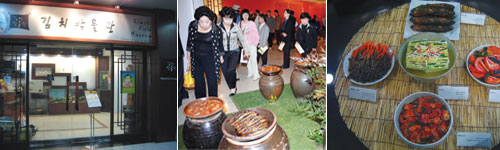
The staff members at The Teen Times took the opportunity to visit a very special museum in Samseong-dong to understand why kimchi has secured its universal status. The Pulmuone Kimchi Museum showed us why the side dish is at the very root of our culture and society. The 500-square-meter museum holds various documents on the history of kimchi, along with earthenware jars for kimchi collected over time from many locations throughout the nation. Since kimchi is indigenous to different regions, detailed information about the kinds of kimchi is carefully detailed in both Korean and English.
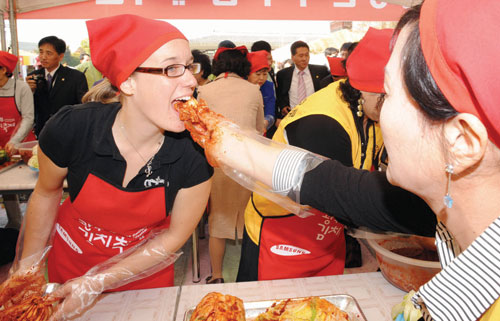
Visited by 60,000 people annually, the museum provides a number of programs for Koreans and foreigners. Kimchi making tips and techniques are taught every month to foreign tourists and expats living in Korea. Since 1986, the museum has been a representative location for anyone who wants to learn about the history and cultural background of all varieties of kimchi from the different regions across the nation. -
On a positive note, as the government has been leading a campaign to globalize Korean food, the museum has received strong support from the government to promote kimchi as a healthy food. We were able to learn through our visit that kimchi entered the nation’s dietary pattern just before the Goryeo Dynasty from the year 918. The origin of kimchi was revealed in documents that testify to the emergence of the fermented vegetable culture.
Kimchi entered as the main side dish during the Goryeo Dynasty when the nation was living under Buddhist principles. They encouraged the people to eat vegetables instead of meat. The main religion of the nation had its first impact. The red hot kimchi was introduced after the first Japanese invasion. It was then when the Japanese mustard, also known as red pepper was first introduced to the nation. It was then slowly absorbed into the culture and diet.
The days of housewives preparing all sorts of condiments and various ingredients for kimchi seem to be over due to the rapid introduction of apartment-oriented housing and many Koreans turning to conveniently purchasing bottled and packed kimchi from the supermarket. Why not take the rare opportunity to visit the museum and understand why it is still impossible for us to live without kimchi although the side dish is definitely not being eaten as much as in the past among Koreans? -
-
대중의 관심을 기다리는 김치박물관
아름다운 풍경, 문화의 풍성함, 멋있고 아름다운 연예인들, 그리고 음식은 매년 셀 수 없이 많은 관광객을 끌어 모으는 것들이다.
한국 땅을 밟는 외국인이라면 누구에게나, 풀어야 할 많은 미스테리와 많은 발견들이 있다.
언어부터 지하철의 많은 사람들까지, 한국에 대한 모든 것은 유쾌하게도 독특하다.
놀라운 많은 것들 중, 관광객의 호기심을 불러 일으키는 특별한 것이 있다.
왜 한국 식당에서는 김치가 무료로 제공되는가?
한국의 현실은 서구화된 라이프스타일이 한국인들의 김치 섭취를 줄였다는 것이다.
그러나, 반찬인 김치는 한국인들과 한국을 방문하는 누구에게나 기본적이고 보편적인 것이기 때문에 공짜로 남게 되었다. 잘 생각해 보면, 그것은 미식가의 음식은 아니다.
김치는 지위에 상관없이 모든 사회계층에 의해 소비되었다.
왕부터 거리의 거지들까지, 그것은 우리 문화와 식습관의 일부로서 보편적인 음식 이었다.
틴타임즈의 기자는 왜 김치가 보편적인 지위를 획득했는지 알아보기 위해 삼성동에 위치한 아주 특별한 박물관을 방문했다. 풀무원 김치 박물관은 왜 반찬인 김치가 우리 문화와 사회의 뿌리가 되었는지 보여주었다. 500제곱 미터 크기의 박물관은 전국 각지로부터 온 항아리에 담긴 김치와 함께, 김치 역사에 관한 여러 자료들을 가지고 있다.
김치는 다른 지방의 고유한 것이기 때문에, 김치의 상세정보는 한국어와 영어로 상세히 적혀있다.
매년 6만 명이 방문해, 박물관은 한국인과 외국인을 위한 많은 프로그램을 제공한다.
김치를 만드는 팁과 기술들은 외국관광객과 한국에 사는 외국인들에게 매달 가르쳐진다. 1986년부터, 박물관은 전국 각지에서 온 다양한 김치의 문화적 배경과 역사에 대해 배우고 싶어하는 사람들을 위한 대표적인 장소였다. -
-
긍정적인 방향에서, 정부는 한국음식을 세계화 하기 위한 캠페인을 벌이고 있어, 박물관은 김치를 건강식품으로 홍보하기 위한 정부로부터 강한 지지를 받고 있다.
우리는 김치가 918년 고려시대 전부터 우리나라의 음식문화 패턴으로 들어왔음을 배울 수 있었다. 김치의 기원은 발효된 야채 문화의 발생을 증명하는 자료들에 나타나있다.
김치는 불교 교리로 생활하던 고려시대 동안 주요 반찬이 되었다. 그들은 사람들에게 육식대신 야채를 먹을 것을 권장했다. 그 나라의 주요 종교가 첫 번째 영향이었다. 빨갛고 매운 김치는 첫 일본 침략 이후에 소개되었다. 고추라고 알려진 일본 겨자가 우리나라에 처음으로 소개된 것이 그때였다. 그리고 나서 그것은 문화와 식습관으로 천천히 흡수 되었다.
아파트 주거문화와 많은 한국인들이 편리하게 슈퍼마켓에서 병이나 팩에 들어있는 김치를 구매하는 것으로 빠른 변화를 하고 있어, 주부가 김치의 양념과 많은 재료들을 준비하는 날은 끝난 것 같다. 박물관을 방문해서 전처럼 한국인들이 반찬으로서 김치를 많이 먹지 않고 있어도, 왜 우리가 아직도 김치 없이 살수 없는지 이해해 보는 것은 어떨까?
※ 틴타임즈 기사제공 -
Kimchi Museum Awaits Your Attention (대중의 관심을 기다리는 김치박물관)