이벤트
Syria Bans the Veil (시리아, 니캅 착용 금지)
2010/07/27 18:13:06
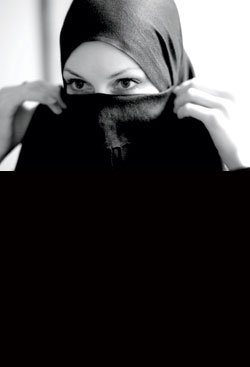
Syria has become the most recent addition to a series of nations who have banned the nigab, seen by many as a symbol of Islamic fundamentalism. Other nations where the niqab is popular, such as Egypt and Lebanon, have attempted to spread rumors about robbers using veils to attempt to discourage people from wearing them.
A government official in the Syrian capital Damascus told reporters that, “We have given directives to all universities to ban niqab-wearing women from registering.” In a similar fashion Turkey has banned headscarves in universities, amid claims that allowing them in schools is an attack on the nation’s religion-free modern constitution.
Meanwhile the veil has become a hot topic all around Europe, especially in France, Spain, Belgium and the Netherlands. A recent controversial move by the French government was to ban the veil and the burqa, which covers even a woman’s eyes. The French government argued this was to protect French values but many of the nation’s Muslims, who are French citizens, found this move to be racist and ignorant. Previously France had banned head scarves and veils in class rooms around the country.
Those who are against the bans argue that such moves deny freedom of religion and personal choice. Many young female students within Syria have confidentially told the press that they hope to continue wearing the veil despite the ban. One student told reporters that the veil is a way of life. “The niqab is a religious obligation, I cannot go without it” she said.
In European nations, in particular France, discussions over the veil and other religious issues have been long and drawn out. On the one hand the French government is keen to hold onto their traditional French way of life. Yet on the converse immigration has transformed the nation into a multicultural one and policies need to change to suit this situation. The riots that occurred in France in 2006, sparked by minorities who felt under represented and under acknowledged, was a telling sign of this.
Meanwhile in Middle Eastern nations with predominantly Muslim populations like Syria, arguments over the veil are thought to be rooted in disagreements between the non-Muslim upper classes and the poorer religious lower classes. Although the Syrian government has already enacted the ban it is unlikely this matter will be easily resolved. How Syria deals with this argument could be telling of what other nations will have to face as they continue to grow and diversify.
시리아, 니캅 착용 금지
